
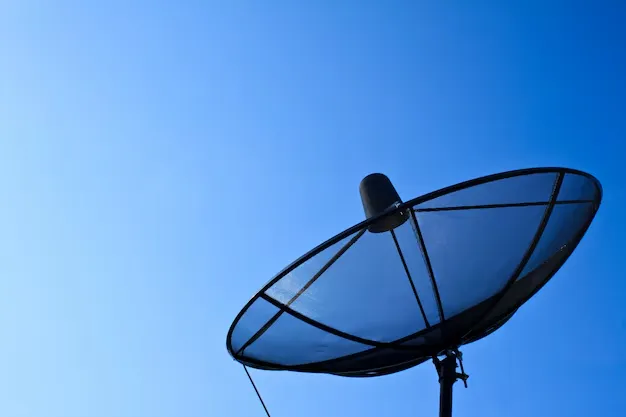
A converted townhouse can contain several flats, each with its own television, viewing habits and expectations. Yet the aerial or satellite equipment serving those homes may still be shared. When one resident experiences missing channels, the obvious solution might seem to be fitting another aerial or replacing a receiver. That can create extra expense without resolving the real fault. Understanding shared reception arrangements helps residents, landlords and managing agents make sensible decisions, especially in older buildings where cables and access rights are not straightforward.
First Establish Who Owns the Equipment
Before changing anything, find out whether the aerial, satellite dish or distribution equipment belongs to an individual flat or the building as a whole. A cable entering a living room does not establish who is responsible for the equipment at its other end. Lease documents, tenancy agreements and management arrangements may clarify maintenance responsibilities.
In shared buildings, alterations to exterior walls, roofs or communal equipment may require permission. Residents should avoid adjusting a dish or disconnecting distribution hardware that supplies other flats. Even a seemingly minor change can interrupt television reception elsewhere in the building.
Understand How a Shared Signal Reaches Each Flat
One communal aerial can feed several dwellings through appropriate distribution components. Satellite arrangements may also use shared infrastructure, although receiver compatibility and the number of available connections depend on the system installed. The important question is not simply whether a socket exists, but what signal it carries.
When discussing Aerial and satellite services, managing agents should explain how many homes need independent viewing and what equipment is already present. A survey can identify whether the network was designed for its present demands or has been extended piecemeal over time.
Diagnose the Pattern Before Replacing Parts
Reception problems in a block can provide useful clues. If every flat loses the same channels at once, the fault may involve shared equipment or an incoming signal. If only one household is affected, an individual cable, outlet or receiver could be responsible. These patterns are not proof of the cause, but they help guide investigation.
Residents can note which channels fail, when interruptions occur and whether neighbours experience similar symptoms. A brief record is more useful than repeatedly retuning televisions, which can sometimes remove channels from the saved list when reception is temporarily poor.
A Simple Checklist for Residents and Managers
Good communication can shorten the time needed to identify a problem. Before arranging work, gather the following details:
-
Identify whether faults affect one flat or several.
-
Record affected channels and approximate times of interruption.
-
Check whether a television uses terrestrial or satellite reception.
-
Locate existing wall outlets without disturbing shared connections.
-
Confirm who can authorise access to communal roof spaces.
-
Ask whether recent building work altered cables or equipment.
-
Agree how residents will receive updates about planned repairs.
This preparation also makes it easier to distinguish isolated equipment faults from building-wide problems.
Avoid Unnecessary Individual Installations
Installing a separate aerial for every household may not be appropriate, especially where the building already has a functioning shared system. Additional roof fittings can complicate maintenance and raise permission or planning questions. A careful inspection should come before decisions about new hardware.
Where a separate connection is genuinely required, TV aerial installation Glasgow may be a relevant service to investigate for properties in that area. The installer should still confirm ownership, permissions, signal conditions and a safe mounting location. Technical feasibility does not automatically establish a resident’s right to alter communal property.
Plan for Future Tenants and Equipment Changes
Converted flats often change occupants, and new residents may bring televisions or receivers with different requirements. Keeping a basic diagram of cable routes, distribution points and approved equipment makes future maintenance less dependent on guesswork. Managing agents can also record the person responsible for authorising repairs.
Clear handover information helps newcomers understand which sockets to use and whom to contact if reception fails. This is particularly valuable when original installers are unavailable or previous alterations were never documented.
Conclusion
Television reception in converted flats is as much a question of coordination as signal strength. Establishing equipment ownership, identifying shared faults and documenting connections can prevent unnecessary alterations and disruption for neighbours. Residents should seek permission before changing communal installations, while managers benefit from maintaining clear equipment records. techtwins.co.uk provides information about aerial, satellite and distribution services in Scotland. A well-understood shared system is easier to repair, adapt and maintain as households and their viewing needs change.