
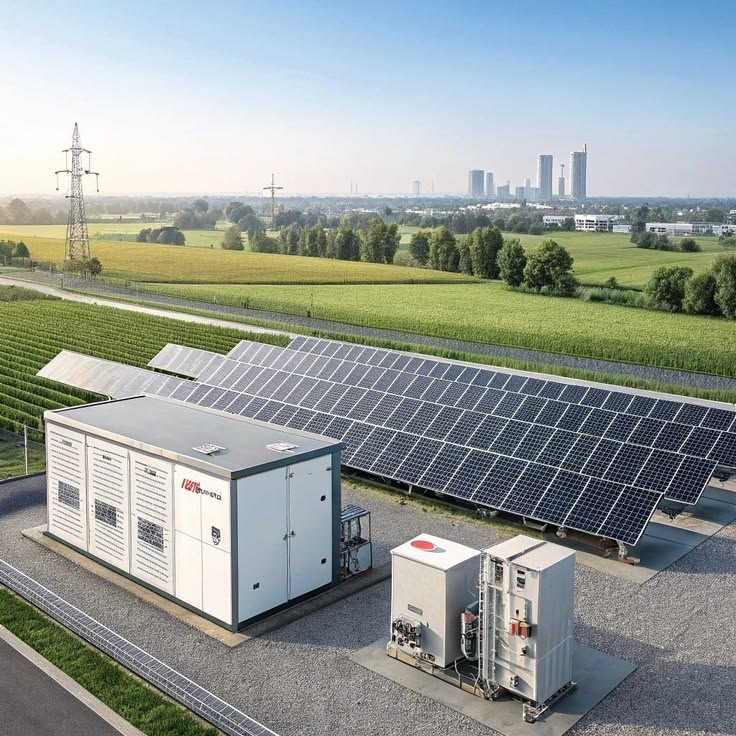
Solar planning becomes more complex as electricity demand increases. A suburban home, a small business and an industrial facility may all use rooftop solar, but the way each project is designed can be very different. Anyone considering a solar system installation sydney should understand that system size is only one part of the decision. Load patterns, roof conditions, electrical infrastructure and future energy requirements can all influence what a practical installation looks like.
The larger and more complex the property becomes, the more important it is to design solar around actual energy use rather than selecting equipment from a standard package.
Residential Demand Is Usually More Variable
Household electricity use often changes significantly throughout the day. Morning routines may create demand from hot water, cooking and heating or cooling. Consumption can fall when occupants leave for work or school before rising again in the evening.
Homes with pools, home offices or daytime air-conditioning may use more electricity while solar panels are producing.
These differences make household routines an important part of residential system planning. Two homes with similar annual electricity consumption can still have very different opportunities to use solar generation directly.
Businesses Often Have More Predictable Daytime Loads
Commercial and industrial properties can operate quite differently. Machinery, refrigeration, ventilation, lighting and office equipment may run consistently throughout business hours. In many cases, this electricity demand occurs during the same period when rooftop solar is producing energy.
That alignment can make daytime load analysis particularly important.
Rather than simply asking how much roof space is available, businesses should understand how much electricity the site consumes during different parts of the working day.
Industrial Projects Require a Wider Site Assessment
Planning an Industrial solar panel installation NSW project can involve more site-specific considerations than a typical residential installation.
Industrial buildings may contain large roof areas, but those roofs can also include ventilation equipment, skylights, access zones and plant infrastructure. The condition of the building and anticipated maintenance work should also be assessed.
A large roof therefore does not automatically mean that every square metre is suitable for panels. The proposed system should respond to usable roof area as well as the energy profile of the business.
Electrical Infrastructure Becomes Increasingly Important
As solar projects become larger, electrical infrastructure deserves greater attention. A residential property may require assessment of its switchboard, meter and supply arrangement. Industrial sites can have more complex switchboards, larger electrical loads and equipment that operates at different times or power levels.
Previous building expansions may also have changed the original electrical setup.
Reviewing this infrastructure early can identify whether related electrical work needs to be included in the project rather than discovered later.
Future Growth Can Change the Design
Solar equipment may remain in place while energy demand continues to grow. At home, future additions might include an electric vehicle, induction cooking or a heat-pump hot-water system. A commercial site might add production machinery, refrigeration, additional work areas or an EV fleet.
Businesses in particular should consider whether expansion plans could significantly change their electricity profile.
Possible future loads include:
-
new manufacturing equipment;
-
warehouse automation;
-
additional cooling or ventilation;
-
fleet EV charging;
-
expanded office areas; and
-
longer operating hours.
Considering these possibilities does not mean oversizing a system unnecessarily. It means avoiding a design based only on a temporary snapshot of demand.
Monitoring Becomes More Valuable as Complexity Grows
Energy monitoring can help both homeowners and businesses understand how generation interacts with consumption. For a home, this may reveal whether daytime appliances can be shifted into solar-producing hours. For an industrial site, monitoring may show how machinery schedules, production cycles or cooling loads affect electricity use throughout the day.
Actual data can also support later decisions about battery storage, additional solar capacity or EV charging. The more complex the property, the more useful this operational information can become.
Compare Proposals on Their Assumptions
Solar quotes should explain why the proposed design suits the site. For smaller systems, homeowners should look at equipment specifications, roof layout, expected generation and installation scope. Larger commercial projects should also examine load analysis, electrical requirements, monitoring and how future expansion has been considered.
A higher-capacity proposal is not automatically better. The strongest design is one that can be explained in relation to real electricity demand and property conditions.
Conclusion
Solar system design should become more detailed as a property’s electricity demand and operational complexity increase. Homes may require close attention to daily routines and future appliances, while commercial and industrial sites often need deeper analysis of operating hours, equipment loads, electrical infrastructure and expansion plans. In every case, usable roof space should be considered alongside actual energy consumption rather than treated as the only design constraint. Clear monitoring and realistic assumptions can also improve future planning. By matching system design to the way a property genuinely uses electricity, owners can create a solar installation that remains practical as their needs develop.