
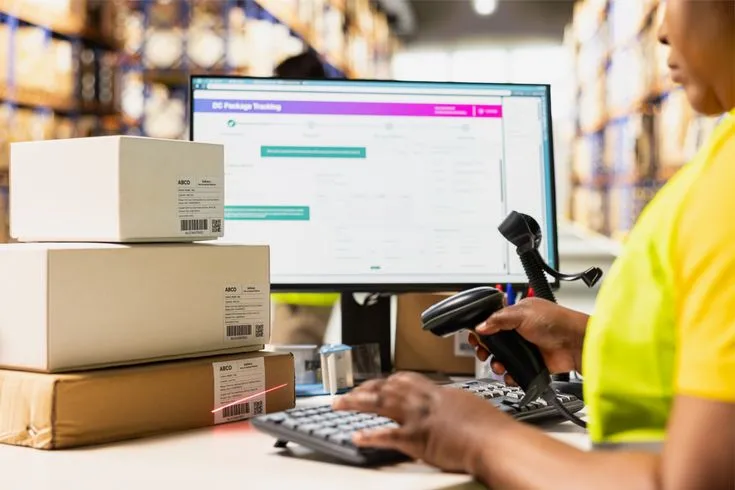
Some products cannot be managed by quantity alone. Food, medicine, beauty goods, chemicals, and some parts may need batch or expiry records. Two boxes of the same item can have different dates or come from different production runs. If staff mix them without clear records, older stock may stay behind while newer stock leaves first. A product fault may also become hard to trace. Batch and expiry tracking gives the team more control. It helps staff use older goods first, respond to recalls, and stop expired items from reaching customers or work sites.
Give Each Batch Its Own Record
A batch is a group of items made or received together. The record should show the batch number, item, quantity, supplier, receipt date, and expiry date when needed. Do not store the batch number only on the box. The label may be lost or damaged. A digital record keeps the detail linked to stock moves, sales, and returns.
Check Dates During Receiving
Expiry tracking starts when goods arrive. Staff should confirm the date before they add the stock. They should also check that the remaining shelf life meets the business rule. A low price may not be a good deal if the goods expire soon. Short-dated stock may need a separate decision, discount, or return before it enters normal storage.
Store Older Stock in Front
First expiry, first out means goods with the earliest date should leave first. This method works only when storage supports it. Place older batches where staff can reach them first. Keep labels visible. If the same item sits in several bins, the system should show which batch has the nearest date. Clear picking rules reduce waste and protect quality.
Use Alerts Before the Expiry Date
An alert should appear early enough for the team to act. The right warning period depends on the product and how fast it moves. An automated inventory management system software setup can flag batches that are near expiry. Staff can then plan a transfer, discount, return, or safe disposal. The alert should show the amount, location, and days left.
Keep Held Stock Out of Sale
Expired, recalled, or damaged goods should move to a held state at once. They should not remain in the available count. Use a marked area for these items. The system should show why they are held and what action is due. This stops a picker from using the wrong batch and gives managers a clear view of stock that cannot be sold.
Prepare for a Recall
A recall may affect one batch rather than every unit of a product. The business should be able to find where that batch sits and where it was sent. Good records can show the supplier, receipt, storage sites, customers, and remaining amount. Run a simple recall test once or twice a year. Choose a sample batch and see how fast the team can trace it. Record any missing step, unclear label, or slow search. A short practice test can expose weak records before a real recall creates pressure.
Record Returns by Batch
A returned item should keep its batch or expiry detail. Staff should not add it back to a general total without a check. Inspect the state, seal, and date. Some goods may not be safe to resell after leaving controlled storage. Clear rules protect both customers and the business.
Choose Software That Fits the Risk
Suitable inventory solutions for small business should support batch numbers, expiry dates, held stock, alerts, and movement history when the business needs them. During a trial, staff should receive two batches of the same item, sell from the older batch, place one unit on hold, and run an expiry report. Real tests show whether the steps are clear.
Review Waste and Near-Expiry, Stock
Managers should track how much stock expires, which items cause the most waste, and why. The cause may be large orders, weak picking, slow sales, or poor date checks. A monthly review can guide smaller orders, earlier alerts, or better storage. The aim is to prevent repeat loss.
Conclusion
Batch and expiry tracking helps a business protect quality, reduce waste, and respond faster when a product problem appears. Each batch should have its own record, and dates should be checked as soon as goods arrive. Older stock must remain easy to find, while alerts should give staff enough time to act. Held and returned goods also need clear controls. With regular recall tests and waste reviews, a team can trace products with confidence and keep expired or affected stock away from customers.