
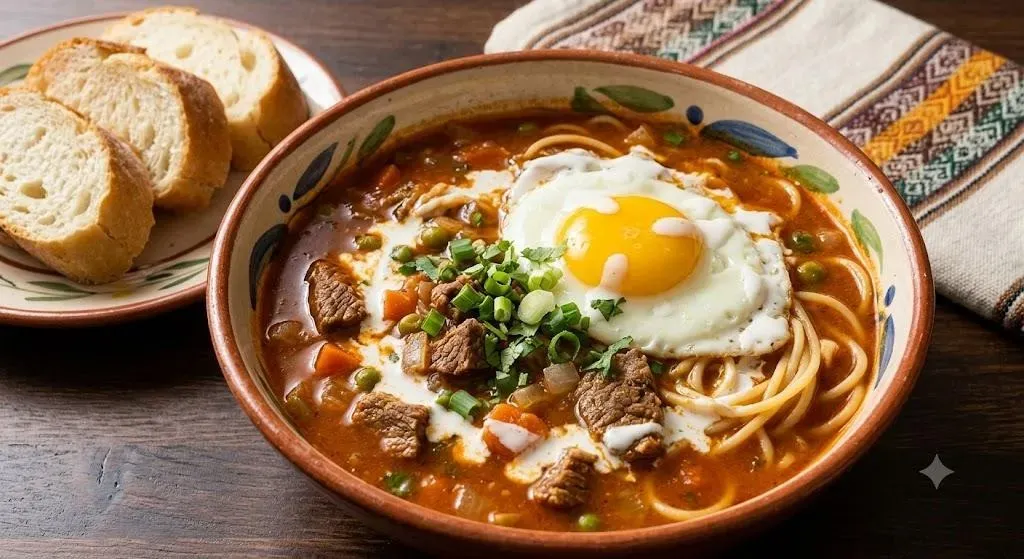
Vegetarian meals can offer plenty of variety when ingredients are combined thoughtfully. bestmenuideas.com provides inspiration for people searching for food ideas, practical recipes, and fresh ways to prepare everyday dishes. Vegetables, lentils, beans, grains, dairy products, nuts, and seeds can all contribute different flavours and textures. A vegetarian menu does not need to depend on the same few preparations every day. Small changes in cooking methods and seasoning can make familiar ingredients feel new. The key is planning meals around what is available and choosing combinations that suit personal taste. Home cooking becomes easier when the ingredients are flexible and the preparation remains realistic.
Using Vegetables In Different Ways
Vegetables can become the main part of a meal rather than serving only as a side dish. Potatoes, cauliflower, carrots, beans, spinach, pumpkin, and seasonal produce can be prepared in many ways. Each cooking method creates a different texture and flavour.
Roasting can bring out natural sweetness in suitable vegetables. Steaming keeps the preparation simple, while sautéing works well when smaller pieces need quicker cooking. Curries, soups, stuffed vegetables, and baked dishes provide additional options.
Try combining vegetables with different textures. Soft pumpkin can work with crisp roasted vegetables, while leafy greens can add freshness to a grain-based meal. The aim is to create balance without adding too many ingredients unnecessarily.
Making Lentils More Interesting
Lentils are common in many vegetarian kitchens because they are flexible and can be prepared in several ways. Different varieties have different cooking times and textures. Some become soft and creamy, while others hold their shape more effectively.
A simple lentil preparation can include onions, tomatoes, garlic, and suitable spices. Adjust the consistency according to whether the dish will be served with rice, bread, or vegetables. Fresh coriander or lemon juice may add flavour near the end.
Lentils can also become part of soups, patties, fillings, and mixed grain dishes. Cook them properly and follow suitable storage guidance when preparing larger quantities. Their flexibility makes them useful for everyday meals.
Adding Beans And Chickpeas
Beans and chickpeas can provide texture and make vegetarian meals more filling. They can be used in curries, salads, soups, wraps, and grain bowls. Their mild flavour also allows them to work with several spice combinations.
Dried beans generally need suitable soaking and cooking according to their variety. Canned beans can save preparation time, but they should be handled according to package instructions. Rinse them when appropriate and check the product before use.
Chickpeas can be combined with vegetables and spices for a warm meal. They can also be added to salads with cucumber, tomatoes, herbs, and a suitable dressing. These combinations provide variety without requiring complicated cooking techniques.
Exploring Grains Beyond Rice
Rice is useful, but vegetarian meals can include several other grain options. Whole wheat, oats, barley, millet, and other locally available grains can create different textures. Their cooking requirements vary, so check preparation instructions before starting.
Millet-based dishes can provide an alternative to familiar rice preparations. Oats can be used in savoury meals as well as breakfast recipes. Barley works in suitable soups and grain combinations because it develops a chewy texture.
Choose grains according to the main dish and the available cooking time. Some varieties cook quickly, while others require soaking or longer preparation. Cooking larger batches can save time when storage and food safety are managed properly.
Preparing Useful Vegetarian Snacks
Vegetarian snacks can be simple and satisfying without requiring elaborate ingredients. Roasted chickpeas, vegetable sandwiches, fruit, yogurt, and homemade savoury preparations offer different choices. The best option depends on appetite, timing, and dietary needs.
Homemade snacks provide more control over ingredients and seasoning. You can adjust salt, spice, and cooking methods according to personal preference. However, portion size still matters because frequent snacking can add more food than intended.
Prepare snacks using clean equipment and store them safely. Refrigerate perishable ingredients when required and avoid leaving cooked food out for extended periods. Simple food safety habits remain important even when preparing small portions.
Creating Better Meal Combinations
A vegetarian meal can become more satisfying when different ingredients complement one another. Combine grains with lentils, add vegetables for variety, and include suitable protein sources according to personal needs. Dairy products, beans, tofu, nuts, and seeds may provide additional options.
Think about flavour as well as nutrition. A spicy main dish may work better with a mild side preparation. Fresh salad can provide contrast beside a warm curry, while yogurt may complement certain seasoned dishes.
Avoid making every meal overly complicated. Two or three well-chosen preparations can be enough for a satisfying lunch or dinner. A practical menu is easier to repeat and manage than one requiring many separate dishes.
Conclusion
Vegetarian cooking offers many possibilities through vegetables, lentils, beans, grains, and simple homemade snacks. Changing preparation methods and combining ingredients thoughtfully can keep everyday meals interesting. Plan around seasonal produce, available time, and personal preferences rather than following complicated menus. Explore more vegetarian food inspiration through bestmenuideas.com, and try a new combination that fits your regular kitchen routine.
Read also :-