
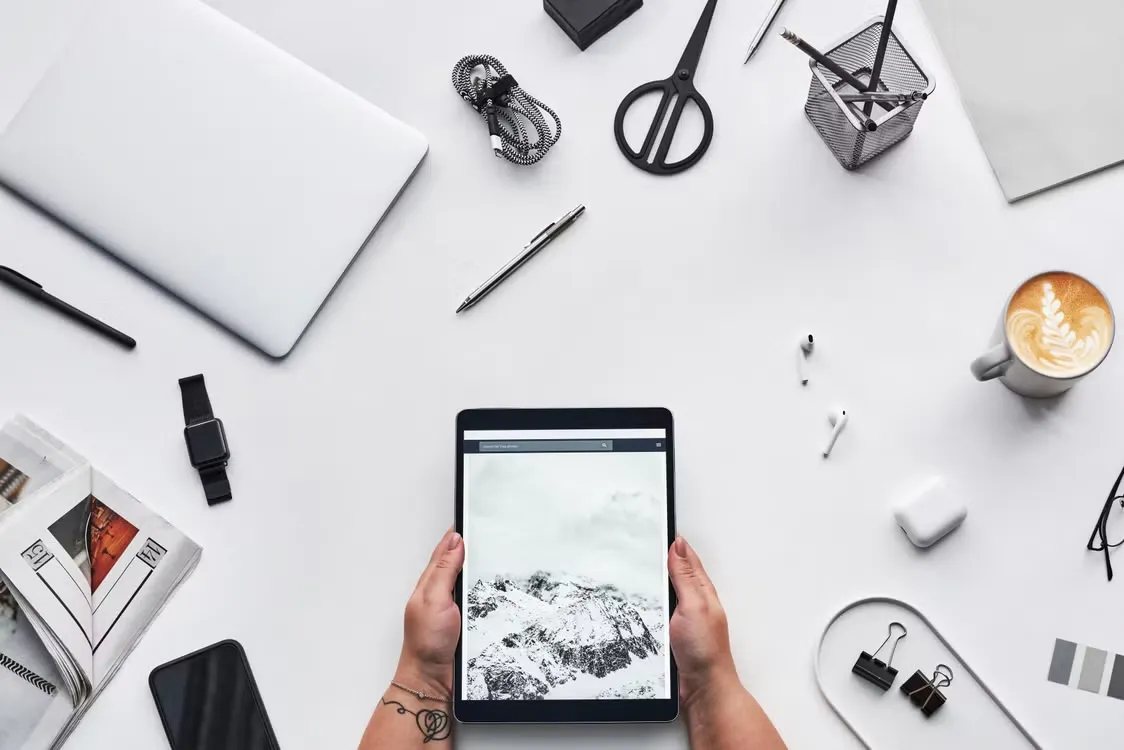
Smart homes are becoming more common in 2026, and tablets are playing a central role in how people manage connected living. A tablet gives homeowners one easy screen for lights, security, appliances, entertainment, and daily routines.
Instead of switching between several remotes, wall controls, and phone apps, families can use a tablet as a shared home control hub. The same idea is also visible in casino resorts, where connected technology helps improve room comfort, guest support, and overall convenience.
Tablets Make Smart Home Control Easier
A tablet works well as a smart home dashboard because the screen is large enough to show several controls at once. Homeowners can check lights, cameras, locks, thermostats, speakers, and appliances without digging through multiple menus.
Many people place a tablet in the kitchen, living room, or entry area so everyone in the household can use it. This is useful for families because not every person needs to install every smart home app on their own phone.
A tablet can also create a calmer control experience. Larger buttons, clearer layouts, and room-by-room views make smart home systems easier to understand.
Lighting Can Match Daily Routines
Smart lighting is one of the most practical connected home features. With a tablet, users can adjust brightness, color, schedules, and room scenes from one screen.
A morning scene can turn on soft lights in the bedroom and kitchen. A movie scene can dim the living room. A travel scene can switch lights on and off at set times while the home is empty.
These controls make the home feel more comfortable and efficient. They can also help reduce wasted energy because lights can turn off automatically when rooms are not in use.
Security Feels More Accessible
Home security is easier to manage from a tablet. Users can view camera feeds, check smart locks, answer video doorbells, and receive alerts on a larger display.
This is helpful at night, during work hours, or while traveling. A homeowner can check who is at the door, confirm whether a gate is locked, or review outdoor cameras without opening several apps.
The larger screen also helps when viewing multiple camera angles. This makes the tablet useful as a home security monitor in shared spaces.
Appliances Are Becoming More Connected
More appliances now connect to smart home systems. Ovens, washing machines, robot vacuums, refrigerators, air purifiers, coffee machines, and air conditioners can all be managed through apps.
A tablet makes these controls easier to organize. You can start a robot vacuum, check laundry status, adjust air conditioning, or receive a refrigerator alert from one device.
Not every appliance needs to be smart. The best setup focuses on tools that save time, reduce effort, or make daily routines easier.
Entertainment Systems Work Better Together
Tablets are also useful for controlling entertainment systems. They can manage televisions, speakers, streaming apps, projectors, gaming systems, and lighting scenes.
This creates a smoother setup for movies, music, games, and family nights. Instead of using several remotes, users can control sound, screen settings, and lighting from one place.
Tablets also work as entertainment devices themselves. They support streaming, music, reading, games, and digital leisure. Some users may explore interactive options such as live casino during downtime, while others may prefer films, books, podcasts, or casual games.
Casino Resorts Use Connected Room Technology
Casino resorts are strong examples of connected technology in hospitality. Many large resorts include hotels, restaurants, gaming areas, lounges, spas, shops, theaters, and guest services.
Connected tablets and room systems help guests manage their stay with less effort. A guest may use an in-room tablet to control lighting, adjust temperature, order room service, request housekeeping, book dining, or view event schedules.
This makes the room feel more personal and convenient. Guests can handle simple requests without calling the front desk or waiting in line.
Smart Systems Improve Guest Comfort
Connected technology also helps casino resorts improve comfort across the property. Smart thermostats, automated lighting, digital signs, mobile apps, and guest service platforms can all work together.
For example, hotel rooms can adjust climate settings based on occupancy. Digital displays can show event times and restaurant updates. Resort apps can help guests check rewards, view maps, and reserve activities.
These systems make large properties easier to navigate. Guests can move between rooms, dining, entertainment, and services with fewer interruptions.
The Future of Connected Living
In 2026, tablets are becoming important tools for smart homes because they make connected systems easier to control. They bring lighting, security, appliances, climate, and entertainment into one clear interface.
Casino resorts show how the same idea works on a larger scale. Connected tablets and smart systems help improve comfort, reduce friction, and give guests more control over their experience.
The best smart technology is simple. It should save time, reduce effort, and make daily life feel smoother. Tablets support that goal by giving users one practical device for managing connected spaces.