
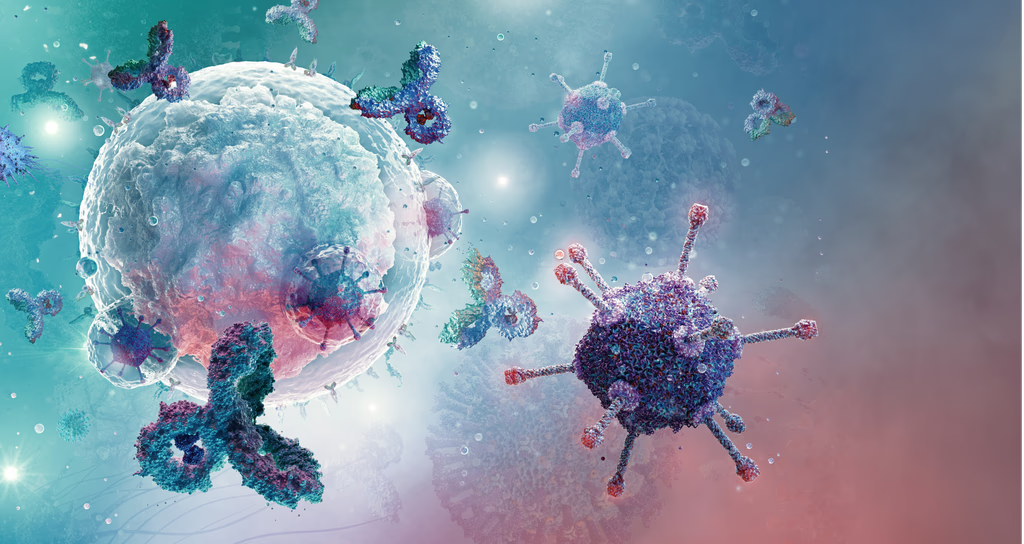
Diagnostics is moving beyond single-test thinking and into a space where data tells a fuller story. With Multianalyte algorithmic assays, multiple biological signals are assessed together to give a clearer picture of health. This approach is gaining attention in Ireland and across Europe, where healthcare systems are looking for more reliable and faster ways to detect disease.
By combining data points into one analysis, these assays help reduce uncertainty and support better clinical outcomes, making diagnostics more aligned with real patient complexity.
From Isolated Tests to Connected Insights
Traditional diagnostic methods often rely on separate tests that do not always connect well. This can lead to gaps in understanding, especially in complex conditions. In Ireland, clinicians are beginning to recognise the value of integrated diagnostic tools that bring different data sources together.
Across Europe, this transition is becoming more visible as research supports more connected systems. By moving toward unified analysis, healthcare providers can better interpret patient data and avoid missing important signals that could influence diagnosis and treatment.
Bridging Diagnostics and Treatment Planning
One of the key strengths of modern assays is their ability to support treatment decisions. This is where Companion diagnostics multi-omics plays an important role, linking diagnostic findings directly to therapy choices. In Ireland and across Europe, this connection is helping doctors move faster from diagnosis to treatment.
By understanding how a patient’s biological profile relates to available therapies, clinicians can choose options that are more likely to work, reducing delays and improving patient experiences in real clinical settings.
Where These Assays Make the Biggest Difference
Multianalyte approaches are especially useful in conditions where many factors influence disease progression. Their impact is being felt across healthcare systems in Ireland and Europe in several practical ways.
• They improve detection in diseases with complex biological patterns
• They help guide therapy selection with better accuracy
• They reduce repeated testing by combining multiple insights
• They support early-stage diagnosis where signals are subtle
• They enhance confidence in clinical decision-making
Adoption Across Healthcare Systems
Healthcare providers are gradually integrating these advanced assays into everyday practice. In Ireland, hospitals and diagnostic centres are exploring how to make these tools part of routine workflows.
Across Europe, adoption is supported by research programs and collaborations between institutions. This shift is not just about technology, but also about improving patient care. With better tools, doctors can act more quickly and with greater confidence, leading to smoother clinical processes and improved outcomes for patients.
Balancing Innovation with Practical Challenges
As with any new technology, there are challenges to consider. Integrating multianalyte assays into existing systems requires investment, training, and careful planning. In Ireland, efforts are being made to strengthen digital health infrastructure to support these needs.
Across Europe, regulatory bodies are working to ensure that new diagnostic tools meet safety and quality standards. While these steps may slow initial adoption, they are important for building trust and ensuring that innovation benefits patients safely and reliably.
Looking Ahead to Smarter Diagnostic Systems
The future of diagnostics is closely tied to how well data can be used to guide decisions. Multianalyte algorithmic assays are expected to become more common as technology improves and healthcare systems adapt. In Ireland and across Europe, continued investment in research and digital health will support this growth. These tools will likely become faster, more accurate and easier to use, helping create a healthcare environment where diagnosis and treatment are more closely connected and better aligned with patient needs.
Conclusion
Multianalyte algorithmic assays are helping redefine diagnostics by bringing multiple data points into a single, meaningful analysis. This approach is improving how diseases are detected and how treatments are planned. In Ireland and across Europe, healthcare systems are already seeing the benefits of more connected and data-driven diagnostics.
Nexomic is part of this ongoing progress, supporting solutions that enhance clinical understanding and patient care. As innovation continues, these assays will play a key role in building a more efficient and responsive healthcare system.